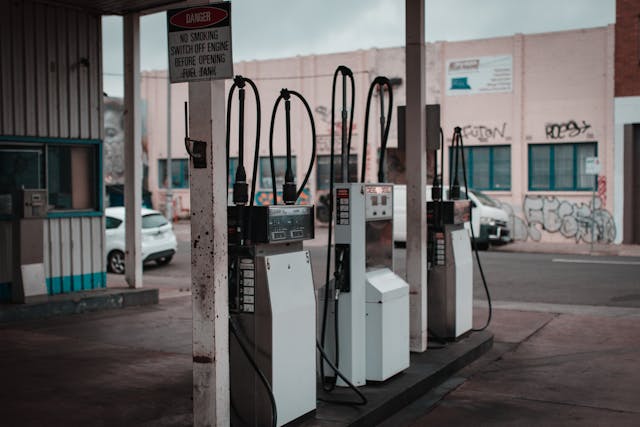
Gas Station Sales Tax: Multi-Category Rules Every C-Store Owner Needs to Know
Gas stations collect sales tax across fuel, prepared food, packaged goods, tobacco, and more - each with different rates and exemptions. Getting the categories wrong means overpaying or audit exposure.
Sales tax at a gas station is not one rate applied to everything. It is a matrix of rates, exemptions, and rules that vary by product category, by state, and sometimes by city and county. A single transaction at the register can include items taxed at three different rates - and getting any of them wrong means you are either overpaying tax or undercollecting (which creates audit liability).
Here is how multi-category sales tax works for gas stations and convenience stores, and why it demands more attention than most owners give it.
Sales Tax Categories at a Gas Station
Fuel
Fuel sales tax treatment varies significantly by state:
- Some states exempt fuel from sales tax entirely (the excise tax is the only tax) - examples include Alaska, Delaware, Montana, New Hampshire, Oregon
- Some states apply sales tax on top of excise tax - California, Illinois, New York, and others
- Some states prepay sales tax on fuel - New York and Illinois require prepayment at delivery, with reconciliation against actual retail sales. This creates a two-step tax mechanism that needs careful tracking
- Some states apply a flat cents-per-gallon rate instead of a percentage-based sales tax on fuel
The interaction between fuel excise tax and sales tax is one of the most error-prone areas in gas station accounting. Excise tax is embedded in fuel cost (paid upstream). Sales tax may or may not apply on top of the excise-inclusive price, depending on your state.
Prepared Food
In most states, prepared food (hot dogs, pizza, deli sandwiches, fountain drinks, roller grill items) is taxable at the standard sales tax rate. The definition of "prepared" varies:
- Some states define it based on heating (if you heated it, it is prepared)
- Some states define it based on utensils (if you provide utensils, it is prepared)
- Some states define it based on combination (two or more food ingredients combined by the seller)
Misclassifying a prepared food item as a packaged good (or vice versa) means collecting the wrong tax rate on every sale of that item.
Packaged Food (Unprepared)
Most states exempt unprepared, packaged food from sales tax or tax it at a reduced rate. This includes chips, candy bars, bottled water, packaged sandwiches (if sold cold and not heated), and similar items.
However, the rules have important exceptions:
- Candy is taxable in some states that otherwise exempt food (if it contains flour, it might be reclassified as food - yes, the rules are that specific)
- Soft drinks are taxable in many states that exempt other food items
- Dietary supplements are often taxable even when food is exempt
Tobacco
Tobacco products are subject to sales tax in addition to separate cigarette and tobacco excise taxes. The sales tax is usually calculated on the retail price (which includes the excise tax), creating a tax-on-tax situation. Some states have special tobacco sales tax rates or separate reporting requirements.
Beer, Wine, and Alcohol
Subject to standard sales tax plus separate alcohol excise taxes. Reporting may be combined with general sales tax or require separate alcohol-specific filings depending on your state and license type.
Non-Food Merchandise
Auto supplies, phone chargers, sunglasses, cleaning products, and other general merchandise are taxable at the standard rate in all states that have sales tax. No special rules, but they must be separated from food categories in your reporting.
Car Wash
Car wash services are taxable in most states (as a service or as tangible personal property depending on the state's service tax rules). Monthly car wash subscription programs may require different treatment than pay-per-wash transactions in some jurisdictions.
POS Configuration: Where Most Errors Start
Your POS system assigns a tax rate to every item based on its department or category code. If the departments are set up incorrectly - for example, if prepared food and packaged food are both mapped to the same department - the POS collects the same tax rate on both, and one of them is wrong.
Common POS configuration errors:
- All food items mapped to one "Food" department instead of separating prepared from packaged
- Fountain drinks mapped as "Beverages" (food-exempt rate) instead of "Prepared" (taxable rate)
- Candy mapped as exempt food when the state taxes candy separately
- Car wash mapped as a non-taxable service when the state taxes it
These configuration errors flow into your sales tax returns. If you undercollect, you owe the difference plus penalties on audit. If you overcollect, you are overcharging customers and creating a refund liability.
Multi-Rate Filing
Most states require sales tax returns to break out sales by rate category. A gas station might need to report:
- Taxable sales at the standard rate (general merchandise, prepared food, tobacco)
- Taxable sales at a reduced rate (food items in states with reduced food rates)
- Exempt sales (certain food, SNAP/EBT transactions, resale items)
- Fuel sales (separate line, may be at a different rate or exempt)
Multi-location operators face additional complexity when locations span different tax jurisdictions. A station in the city of Houston collects 8.25% combined rate; a station 20 miles away in an unincorporated area may collect 6.25%. Each location files at its own rate.
SNAP/EBT and Tax-Exempt Sales
SNAP/EBT purchases of eligible food items are exempt from sales tax. Your POS must correctly flag SNAP-eligible items so that tax is not charged on qualifying purchases. Selling non-eligible items on EBT (like hot prepared food, tobacco, or alcohol) is a compliance violation that can result in loss of your SNAP authorization.
SNAP/EBT reconciliation ensures that eligible items are properly flagged, tax exemptions are correctly applied, and EBT settlement amounts reconcile to your bank deposits.
Getting Sales Tax Right
The key to gas station sales tax compliance is a properly configured POS system feeding accurate category-level data into your accounting system, which produces correct multi-rate sales tax returns. Each link in that chain matters - a POS misconfiguration produces wrong data, wrong data produces wrong returns, and wrong returns produce audit exposure.
FuelCFO handles multi-category sales tax for gas stations and c-stores across all 50 states. Book a free books review to check if your POS categories and tax configuration are correct.