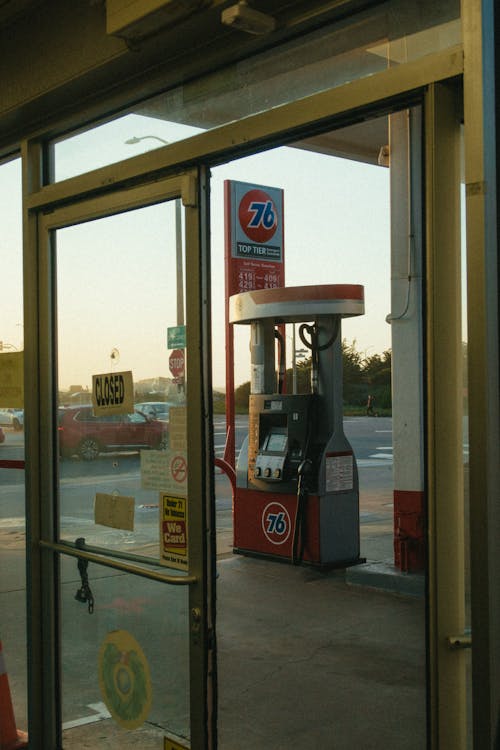
How to Value a Gas Station Business: Methods, Multiples, and Common Mistakes
Gas station business valuations typically use 2.5-4x EBITDA. The multiple depends on fuel volume, inside sales, location quality, and how clean the books are.

Whether you are buying, selling, or refinancing a gas station, the first question is always the same: what is it worth? Gas station valuation is more nuanced than most small businesses because the station combines multiple distinct operations - fuel retail, convenience store, and potentially car wash, deli, lottery, and more - each with different economics and different value drivers.
Three Approaches to Gas Station Valuation
1. Income Approach (Most Common)
The income approach values the business based on its earning power. The two most common metrics:
- EBITDA multiple: Gas stations typically trade at 2.5x-4.0x EBITDA (earnings before interest, taxes, depreciation, and amortization)
- SDE multiple: Seller's Discretionary Earnings (EBITDA plus owner compensation) typically trade at 1.9x-6.0x SDE
A station generating $200,000 in annual EBITDA at a 3.0x multiple is worth $600,000 for the business (excluding real estate). Add real estate value if the land and building are included in the sale.
2. Asset Approach
The asset approach values the tangible assets: equipment (dispensers, USTs, POS system, car wash), inventory (fuel in tanks, store merchandise), and real estate (land and building). This method typically produces a lower valuation than the income approach for profitable stations, but it sets a floor - you would not pay more for the income stream than you would pay to build a comparable station from scratch.
3. Market Approach
The market approach compares your station to recent comparable sales. This requires access to transaction databases and an understanding of how to normalize for differences in location, volume, and store quality. Brokers and appraisers use this method most frequently.
What Drives Gas Station Multiples Up
- High fuel volume: Stations pumping 250,000+ gallons/month command higher multiples because they generate more traffic for the store
- Strong inside sales: A c-store doing $80,000+/month in inside sales with 30%+ margins adds significant value
- Multiple profit centers: Car wash, deli, lottery, and ATM diversify revenue and increase total margin
- Real estate ownership: Owning the land adds asset value and eliminates lease risk
- Clean books: Stations with auditable, separated financials - fuel vs. store margins clearly broken out, every revenue stream tracked - get higher multiples because buyers can verify the income
- Brand affiliation: Major brand stations (Shell, Chevron) often command modest premiums due to fleet card volume and consumer trust
- Growth trend: Rising fuel volume and inside sales over 3 years signals a healthy business
What Drives Multiples Down
- Declining volume: Falling fuel gallons or inside sales over 2-3 years reduces the multiple significantly
- Environmental liability: Old USTs, known contamination, or pending remediation can reduce value by the full estimated cleanup cost
- Messy books: If the seller cannot produce separated P&L by profit center, buyers discount the stated earnings. Unverifiable income is worth less
- Lease dependency: Short remaining lease term (under 10 years with renewals) creates uncertainty that depresses the multiple
- Deferred maintenance: Aging dispensers, failing canopy, outdated POS - these require capital expenditure that reduces net value
- Regulatory risk: Unfiled tax returns, BSA/AML compliance issues, or environmental violations create liability for the buyer
Common Valuation Mistakes
Using Revenue Instead of Earnings
A station doing $5M in annual revenue sounds impressive until you realize that $3.5M of that is fuel COGS with 1-3% margin. Revenue multiples do not apply to gas stations. Always value based on EBITDA or SDE.
Not Normalizing Owner Compensation
Many gas station owners pay themselves below market, run personal expenses through the business, or have family members on payroll. SDE normalization adjusts for these items to show the true earning power available to a new owner. Without normalization, you over- or under-value the business.
Ignoring Environmental Risk
A Phase I environmental assessment is not optional. Cleanup costs for petroleum contamination range from $100,000 to $1M+. Skipping the assessment to save $3,000 is the most expensive mistake in gas station acquisitions.
Trusting Blended Financials
If the seller shows you one P&L with all revenue streams blended together, you cannot verify the margins on any individual stream. A station might show $150,000 in net income, but if fuel margins are actually negative (after credit card fees) and the store is carrying the entire operation, the business is riskier than it appears.
Preparing Your Station for Sale
If you are the seller, the single highest-ROI action you can take is getting your books clean 12-24 months before listing. That means separating every revenue stream, producing monthly financial statements, and showing clear margin trends by profit center. Clean books increase your multiple by 0.25-0.50x, which on a $200K EBITDA business adds $50,000-$100,000 to the sale price.
FuelCFO provides acquisition and disposal support for both buyers and sellers. Book a free review to see where your books stand.